
Acne treatment
Struggling with acne? Have you already tried everything to get rid of it? We have the knowledge and experience to help you say goodbye to your problem skin.
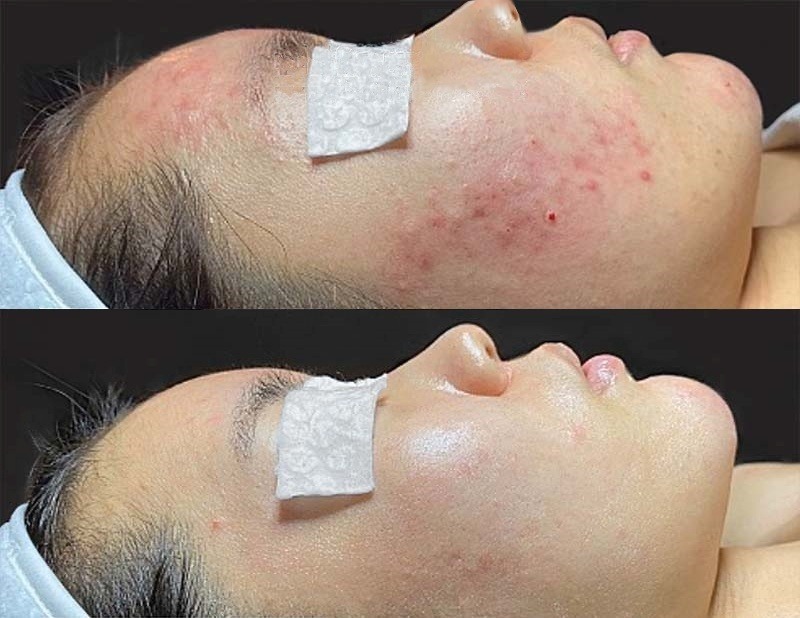
Acne treatment at Huidkliniek Parkstad
At Parkstad we know how frustrating and stubborn acne can be. That is why we choose a tailor-made treatment plan that is personal to you. This acne treatment plan is drawn up during an intake consultation, in which we look at the cause, the severity of the acne and the options available. Once everything has been discussed, we can start your acne treatment. It includes:
- Extensive intake consultation including skin analysis
- Explanation about acne & tips for at home
- Acne treatments with our skin specialist
- Nutritional advice
- Products that suit your skin
Our acne skin specialist knows exactly what she is doing. It is important that you cooperate with the programme in the right way, so be sure to follow our skin specialist’s advice. That way, together, we help you get rid of your acne as quickly as possible.
What is acne?
Acne is a common skin condition that occurs when hair follicles under the skin become clogged with excess oil and dead skin cells. This leads to the formation of spots, blackheads and sometimes painful cysts. Acne can range from mild (a few spots) to severe (many inflamed and painful lesions).
Acne is an unpleasant skin condition that can also cause psychological stress, especially in young people. Treatment is therefore certainly worthwhile. What’s more, if you don’t undergo acne treatment, there is a chance you will be left with permanent damage to your skin, such as scarring.
Frequently asked questions about acne
Yes, acne therapy can be (partially) reimbursed through your supplementary health insurance.
At Huidkliniek Parkstad we work with specialised skin therapists and skin specialists. Our skin therapists are registered in the Dutch Quality Register for Paramedics (Kwaliteitsregister Paramedici, KP).
Whether you are entitled to reimbursement and how much you will receive depends on your health insurer, your supplementary policy and the practitioner.
So please check your policy conditions with your health insurer beforehand.
Acne is a stubborn problem that cannot be solved in a single treatment. You will need several acne treatments to get the acne under control, and your own effort at home is essential too. Once the acne is under control, it is important to keep caring for your beautiful, calmed skin with the right products and (home) treatments.
Do you suffer from acne scars and would you like to get rid of them? At Huidkliniek Parkstad we can treat these scars.
Our skin specialist has several options for treating these scars successfully, such as microneedling, peels or a plasma treatment.
More about causes and recognition
Causes of acne
Acne develops when the pores of the skin become clogged with sebum, dead skin cells and bacteria. With acne, the sebaceous glands in the skin are overactive. This leads to an overproduction of oil, which results in oily skin. This sebum production, which causes inflammation, is therefore the main cause of acne.
Hormonal changes can also play a role in the development of acne. An increase in testosterone stimulates the sebaceous glands and therefore the acne as well. In addition, factors such as stress, poor diet, medication and cosmetics can contribute to the development or worsening of skin problems.
It is important to understand that acne is a complex condition and that various factors play a role in its development. With an acne treatment at Parkstad in Limburg, the cause can be investigated and specialist advice can be given.
How do you recognise acne?
Acne is a skin condition characterised by a number of different types of skin problems. It is very common, especially among teenagers and young adults, although it can also occur later in life. But how exactly do you recognise acne?
Spots & blackheads
One of the most common signs of acne is the presence of spots. These can range from small, barely visible whiteheads to large, inflamed cysts. Some are red and inflamed and some are filled with pus. Spots often appear on the face, but can also be found on other parts of the body, such as the back or the chest.
People with acne can also suffer from blackheads. These are caused by a build-up of sebum and dead skin cells in the pores, and look like small black or dark brown dots on the skin.
Uneven and oily skin
People with acne often have an uneven skin texture. This can be the result of both active acne and acne scars. The skin can then feel rough and look uneven.
Excess sebum production makes the skin oily. You can recognise oily skin by a shiny layer on the skin. This mainly occurs on the forehead, nose and chin.
What our clients say


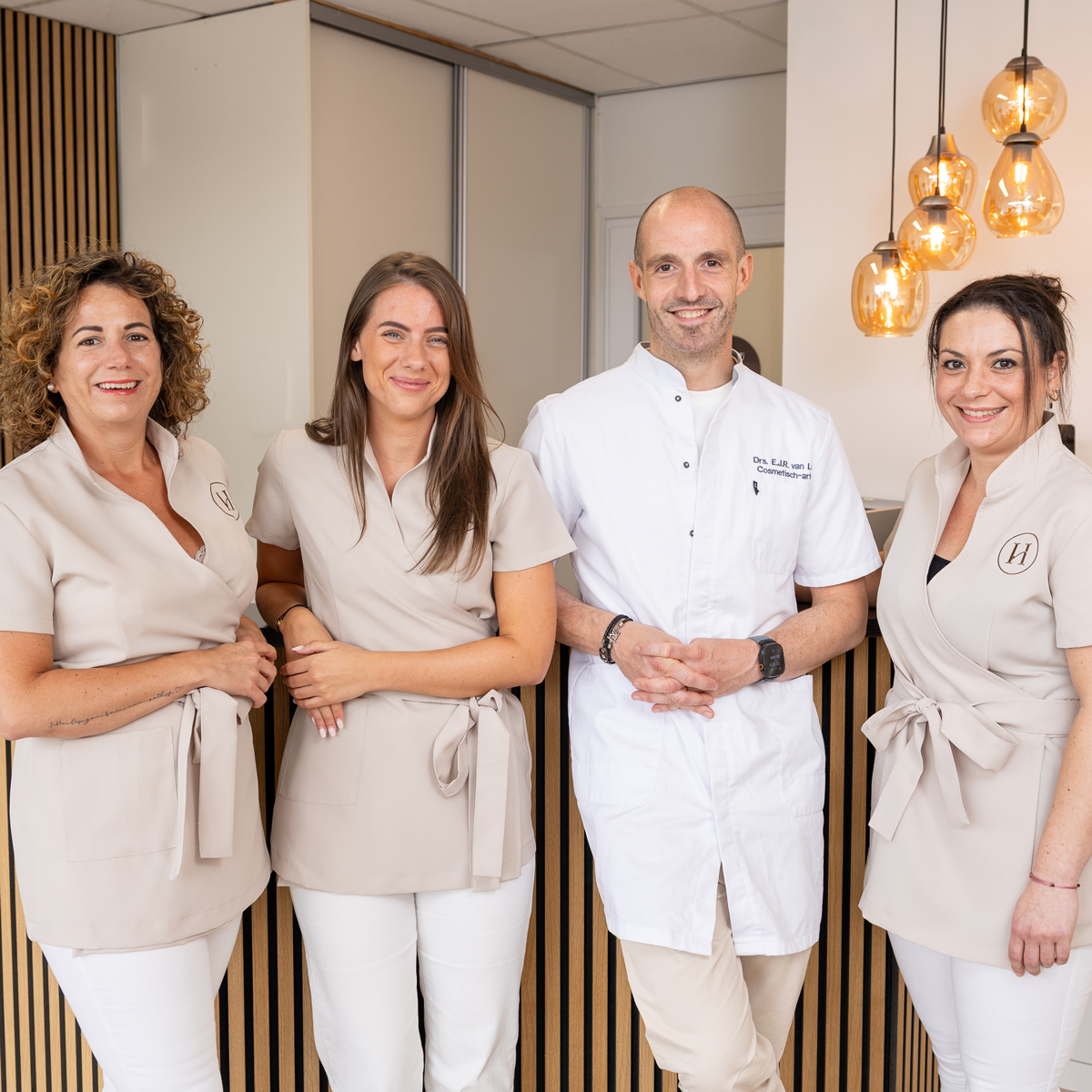
More information about acne treatment
Would you like more information about acne treatments at Huidkliniek Parkstad? Feel free to get in touch or book an intake consultation.