
Pigmentation spots
Due to sun, skin ageing, hormones or previous inflammation, an even complexion can increasingly start to show irregularities.
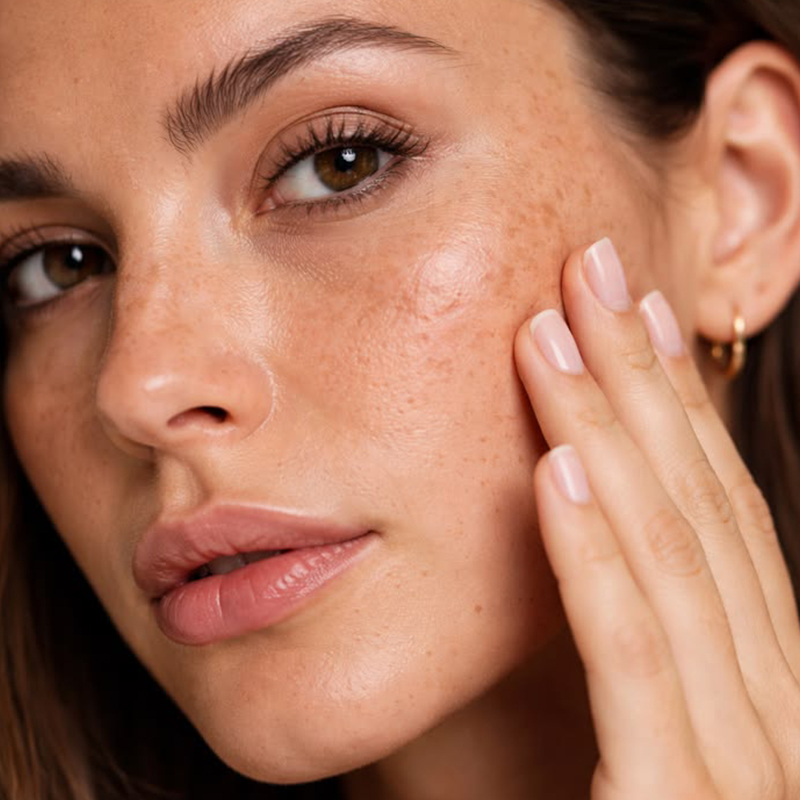
Our approach to pigmentation spots
Pigmentation is not a single skin problem. That is exactly why we first examine which type of pigment is visible before we treat it.
What are pigmentation spots?
Pigment is produced by pigment cells and determines, among other things, the colour of our skin.
When pigment cells produce more pigment locally, dark spots can develop. Examples include age spots, café-au-lait spots, melasma and hyperpigmentation after acne.
Frequently asked questions about pigmentation spots
That varies. UV exposure, skin ageing, hormones and previous inflammation, among other things, can play a role.
Because pigment cells can be stimulated again, prevention and home care play an important role.
No. First we need to determine which type of pigment is present.
That cannot be determined in general beforehand. During the consultation we assess your skin and the type of pigment.
More about causes, types and recognition
Different types of pigment
Common variants are sun and age-related pigmentation, pigmentation after inflammation or acne, melasma and other local differences in pigment.
Example of a result
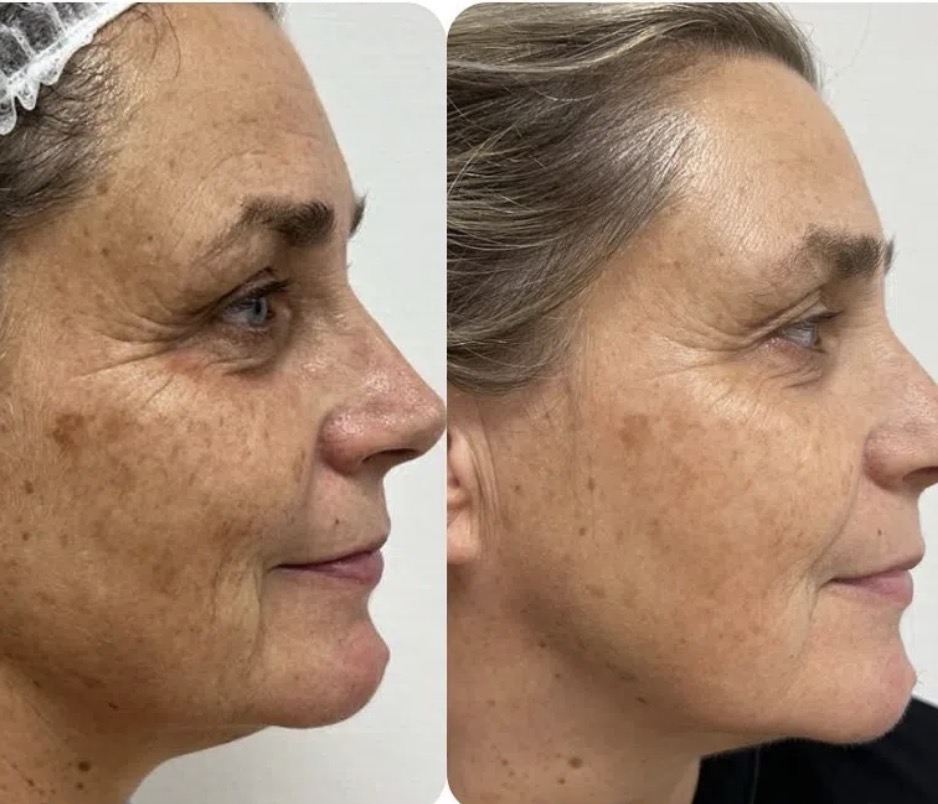 BeforeAfter
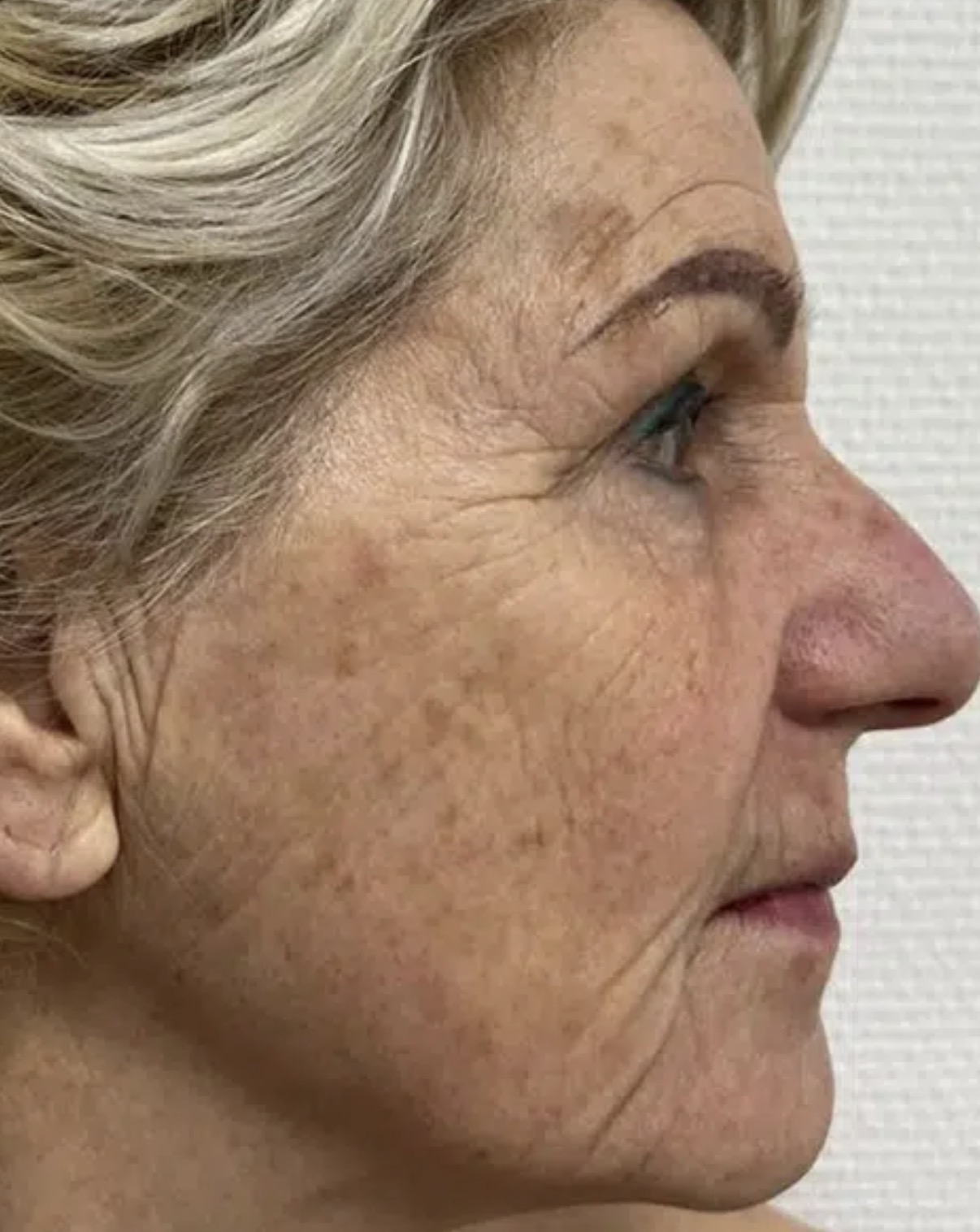 Before
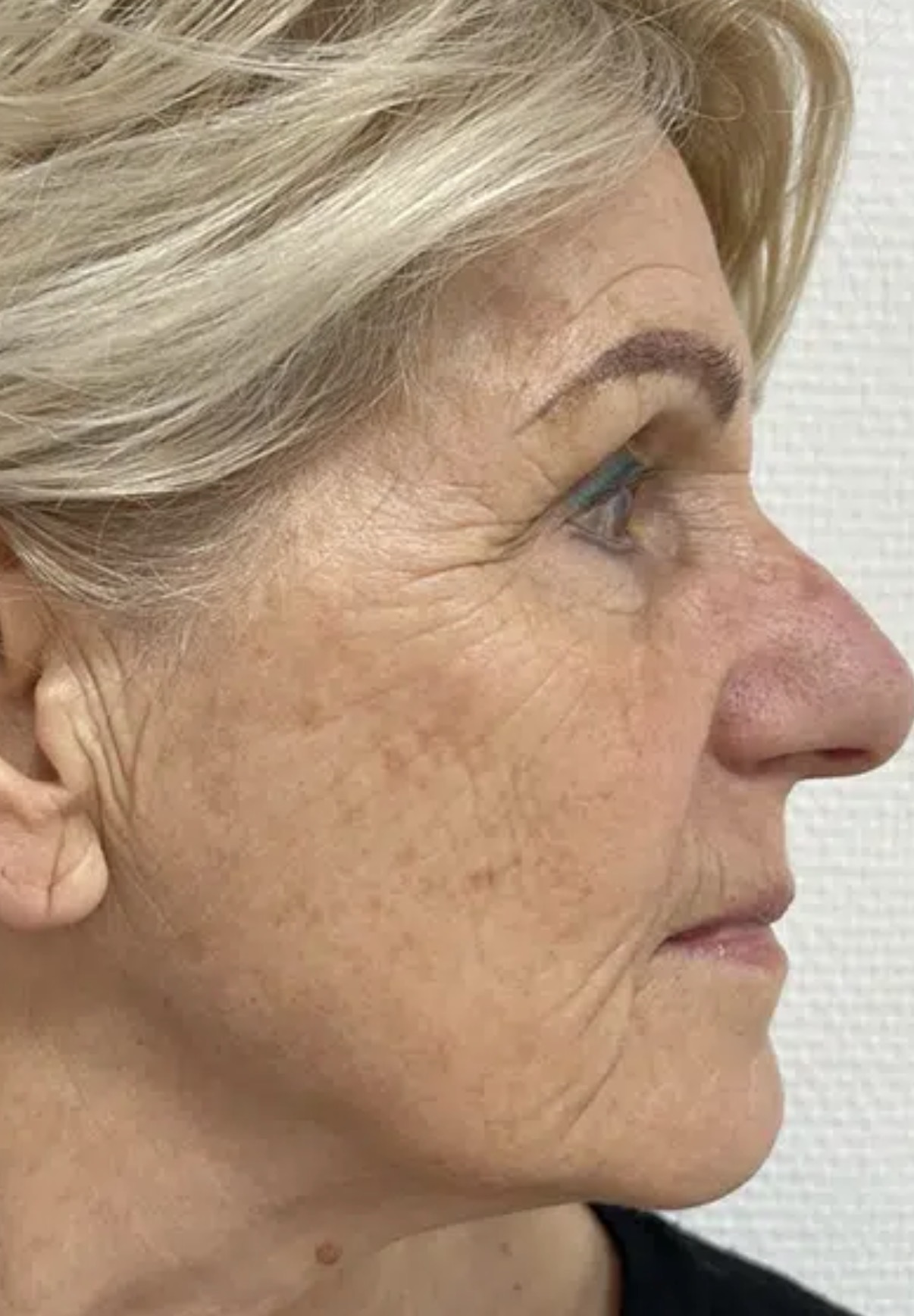 After
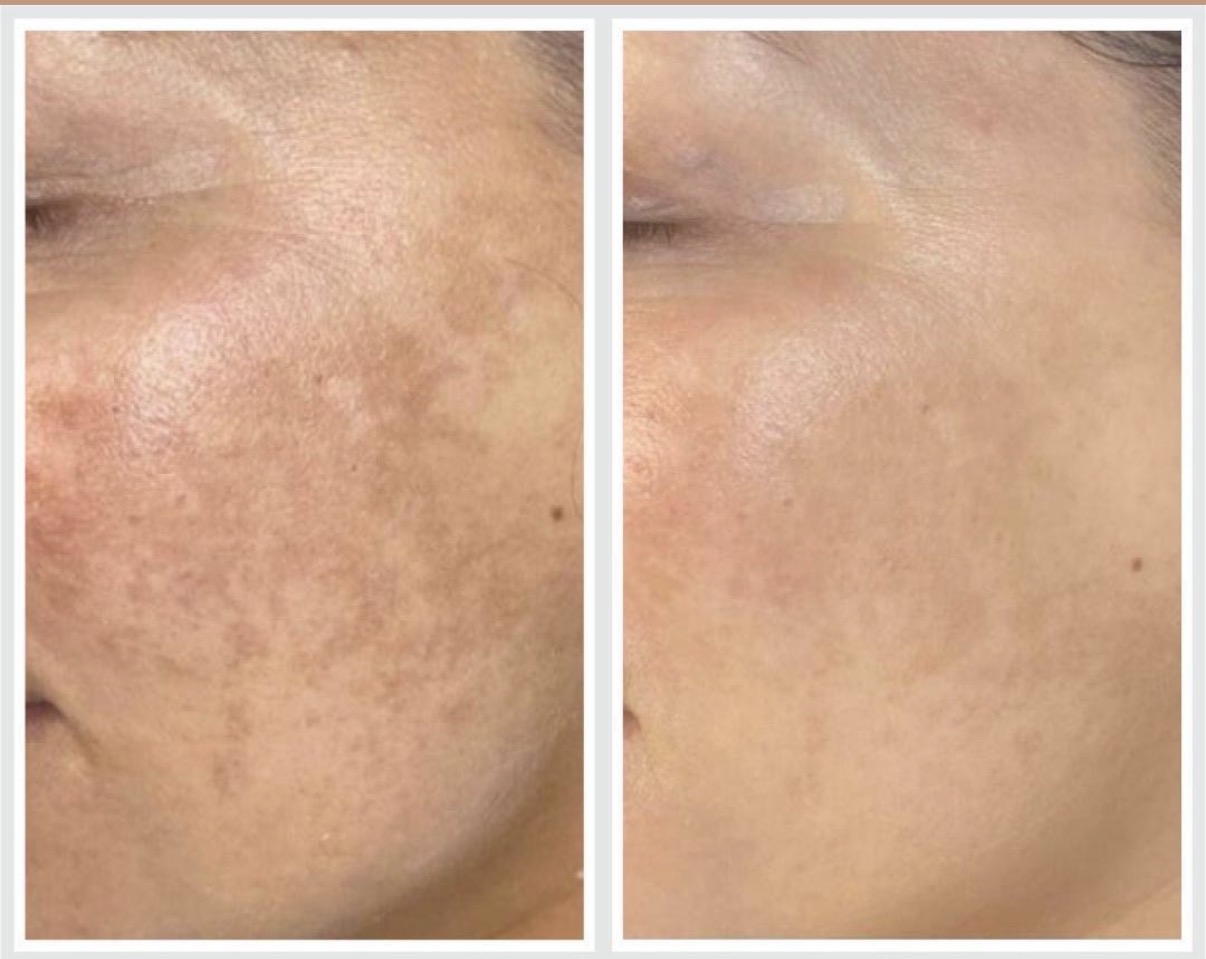 BeforeAfter
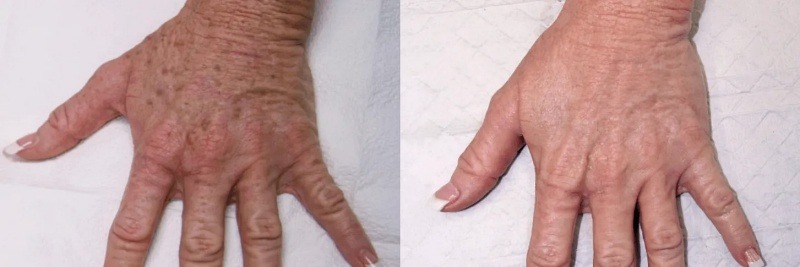 BeforeAfter
What our clients say



Curious about what is possible for your skin?
Start with an intake. Then we can see what type of pigment we are dealing with and which approach suits it.