
Red skin (couperose)
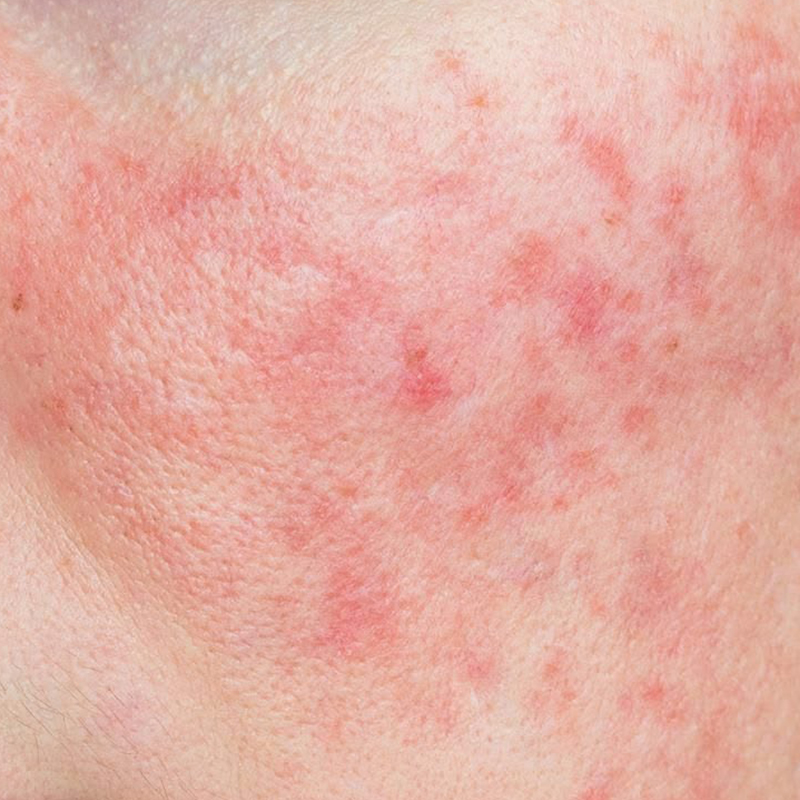
Do red or blue blood vessels on your face stay visible, even when you’re not blushing? Then it may be couperose.
Our approach to couperose
Couperose is harmless, but the visible blood vessels can be cosmetically bothersome. At Huidkliniek Parkstad we first look at the type of redness and distinguish between, for example, couperose and rosacea before we recommend a treatment.
What is couperose?
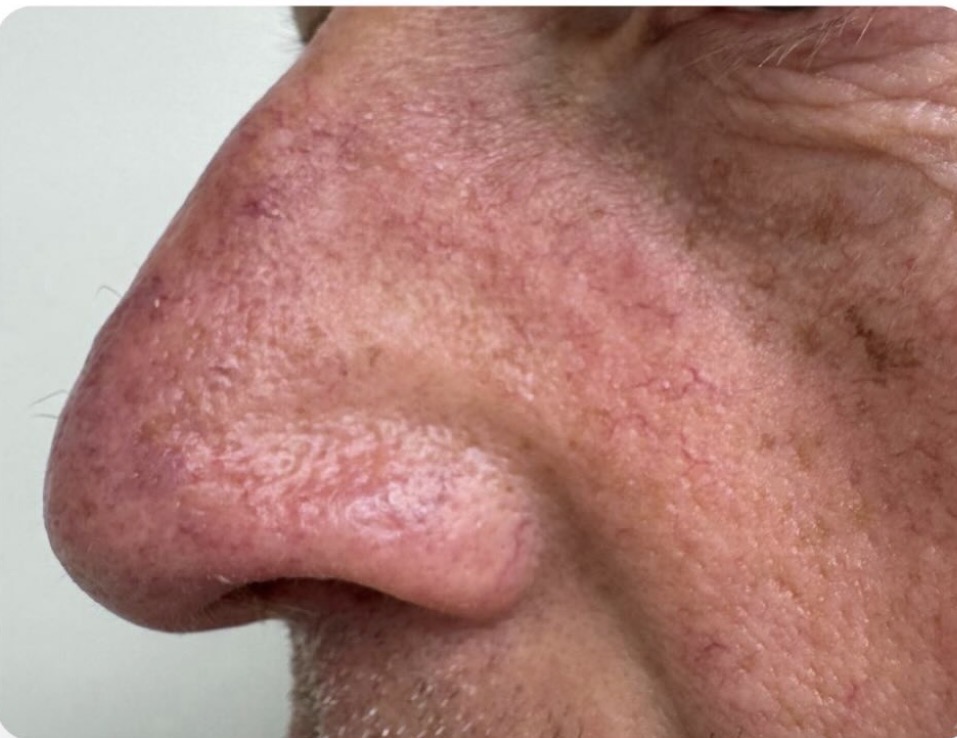
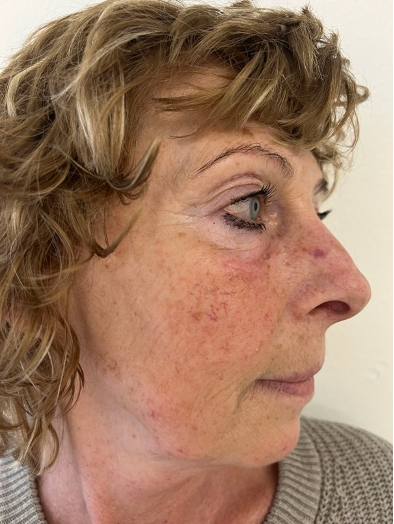
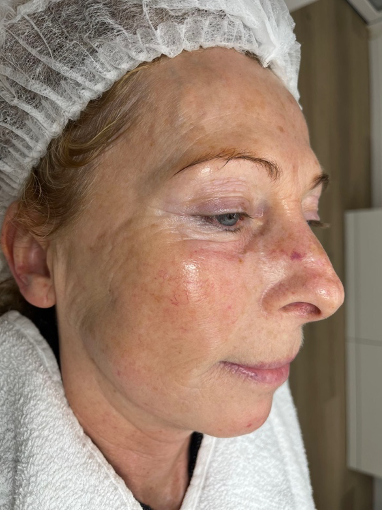
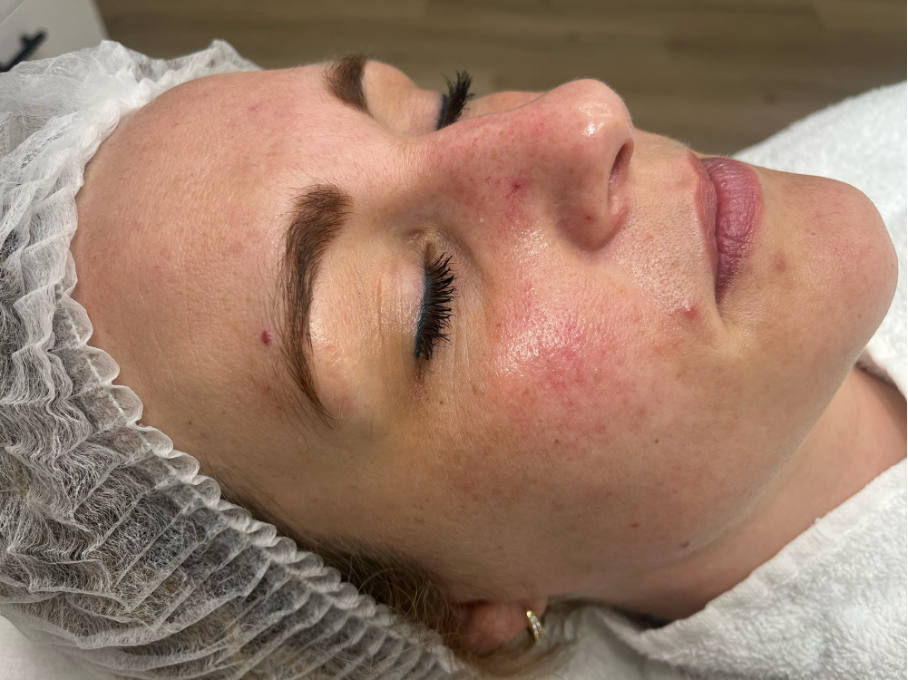
Couperose consists of dilated superficial blood vessels. These are mainly visible on the cheeks, nose and chin.
Besides the redness, some people also experience a burning, stinging or itching sensation. Couperose must be distinguished from rosacea: with rosacea, bumps, pimples and swelling can also occur.
Frequently asked questions about couperose
No. With couperose, visible dilated blood vessels are central. Rosacea can also cause signs of inflammation.
Existing dilated blood vessels usually don’t just disappear.
Mainly on the cheeks, nose and chin.
On average, three treatments are needed, but the final advice depends on your skin and the vessels involved.
More about causes, types and recognition
Causes of couperose
Factors that can contribute include hereditary predisposition, a lot of sun exposure, skin type, temperature fluctuations and prolonged use of corticosteroid creams on the face.
How do you recognise couperose?
You mainly recognise couperose by fine red or bluish-red blood vessels that remain visible.
Example of a result
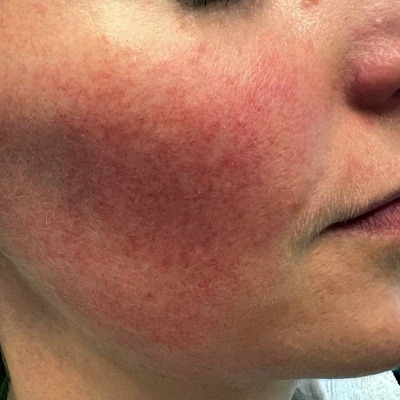 Before
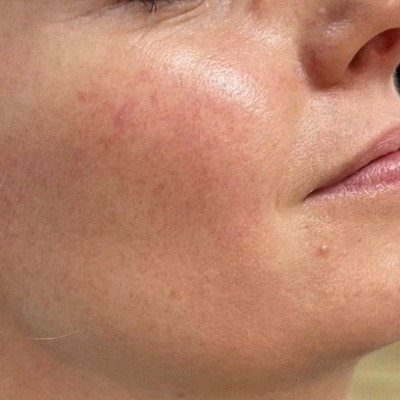 After
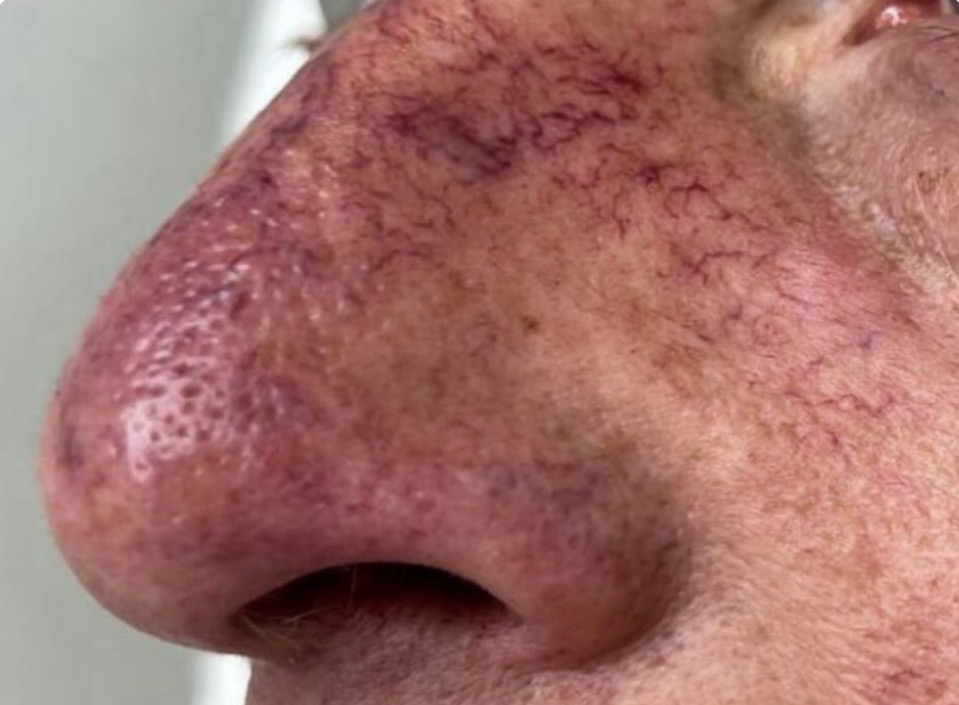 Before
 After
 Before
 After
 Before
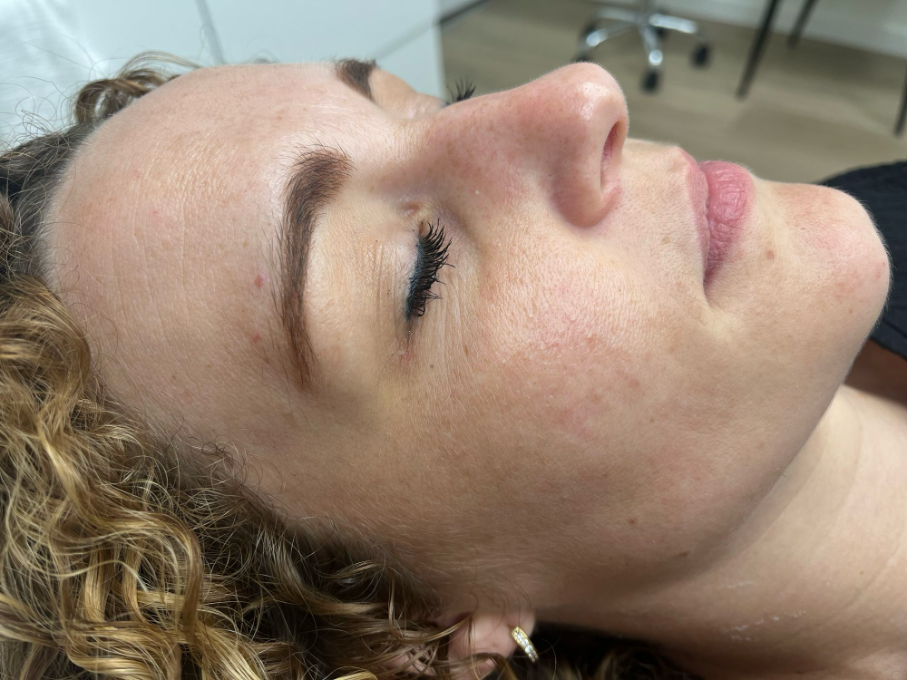 After
What our clients say



Curious about what’s possible for your skin?
Start with an intake. Then we can see what type of redness it is and which approach suits it.