
Scars
A scar tells you that your skin was once damaged. How visible a scar remains varies greatly from person to person and from one type of scar to another.
Our approach to scars
That is why we don’t treat every scar the same way. During the intake we assess the type of scar and determine which treatment goal is realistic.
What is scarring?
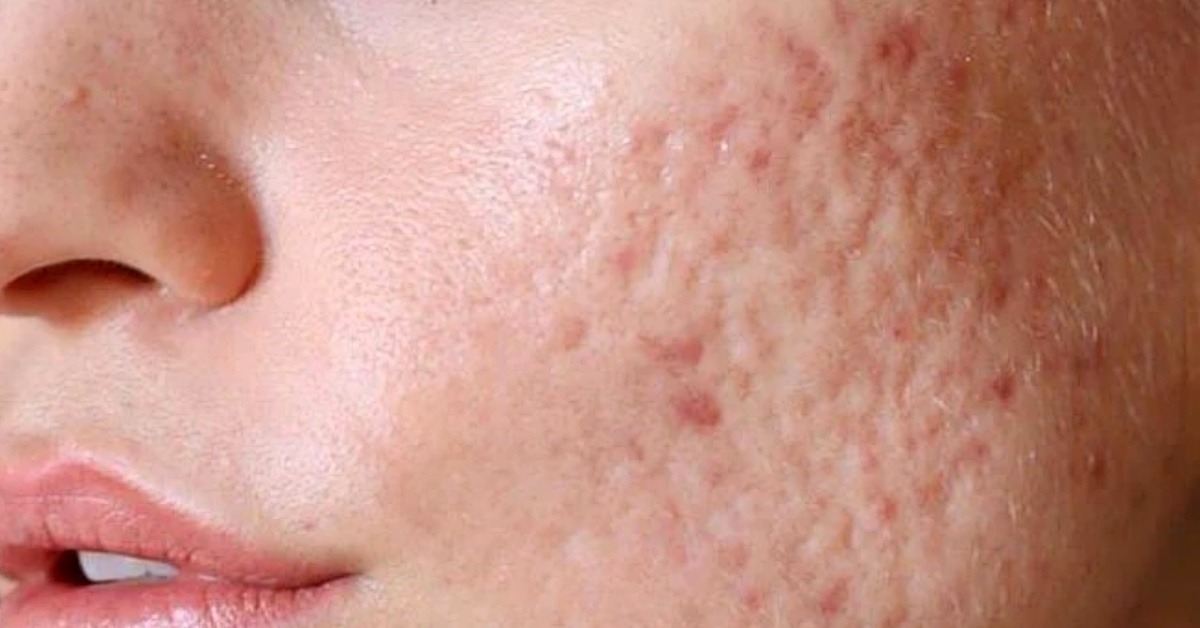
Scars can form after acne, an injury, surgery or other damage to the skin, for example. They can differ in colour, relief, thickness and texture.
Frequently asked questions about scars
A realistic treatment goal is usually to refine the scar and make it less noticeable, not to promise that it will disappear completely.
That depends on the type and condition of the scar. We assess this during the intake.
That depends on the type of scar. That is why a combination of techniques may be needed.
In some cases, scar therapy may be covered by your supplementary insurance. This differs per policy.
More about causes, types and recognition
Different types of scars
Not every scar has the same characteristics. There may be, for example, colour differences or redness, depressed scars, raised scars, an irregular skin texture, or itching and tightness.
What our clients say



Curious about what’s possible for your skin?
Start with an intake. Then we can see what type of scar it is and which approach suits it.