Treating melasma

Melasma or pregnancy mask
In the second or third trimester of pregnancy, many women develop a pregnancy mask. Very annoying. Staying out of the sun and using the best protection with a UVA and UVB filter is the best advice. Unfortunately, most people only find this out once the damage is already done.
A pregnancy mask is harmless, but it doesn’t look great. We offer various solutions (after your pregnancy) that can help. Book a consultation so we can discuss the possibilities together.
Book an appointment
Causes of melasma or pregnancy mask
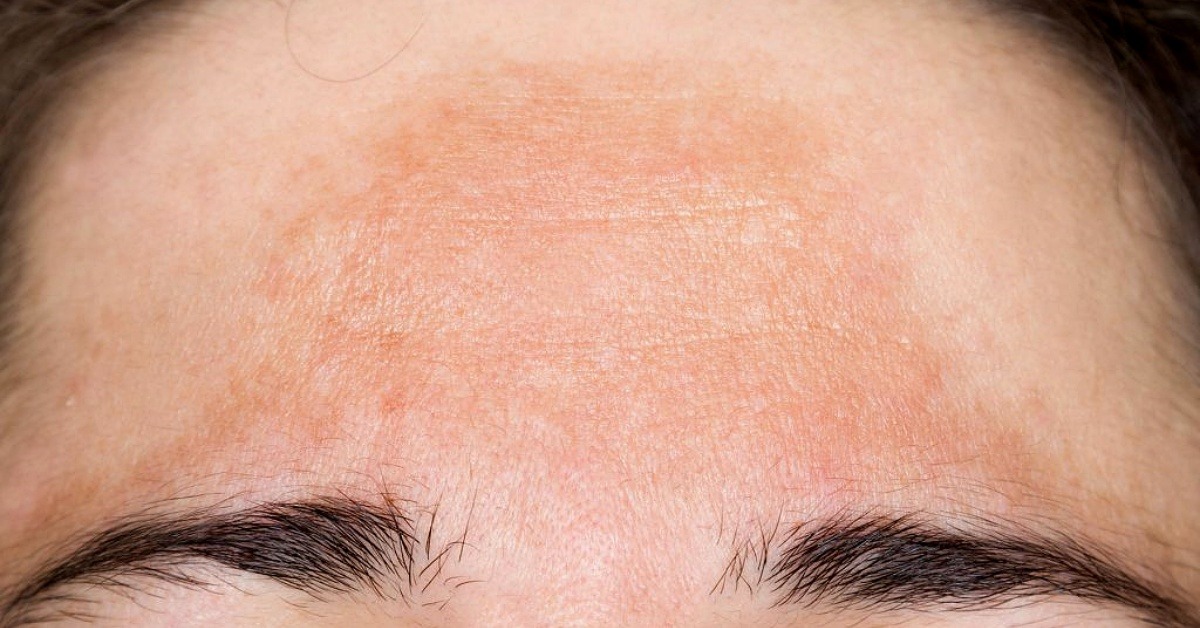
Melasma involves an “oversensitive” pigment system. It is characterized by dark, irregularly shaped patches on the cheeks, nose, upper lip, and/or forehead. These typically develop gradually and are not accompanied by any other symptoms.
Hormonal factors likely play the most important role in the development of melasma. All female sex hormones, such as progesterone and estrogens, have been shown to stimulate pigment production. That’s why melasma often develops during pregnancy — hence the term “pregnancy mask.”
Sometimes the patches disappear spontaneously after childbirth, but sometimes they don’t. Because not all pigment cells in the skin react equally strongly, the discoloration becomes patchy rather than evenly tanned. So instead of a nice, even brown tone… the skin looks blotchy.
Treatment of melasma
At Huidkliniek Parkstad, we use various options to treat melasma or a pregnancy mask, such as specialized facials, peels, or laser treatments. To determine the best treatment (or combination of treatments) for you, we first discuss the possibilities in an intake appointment.